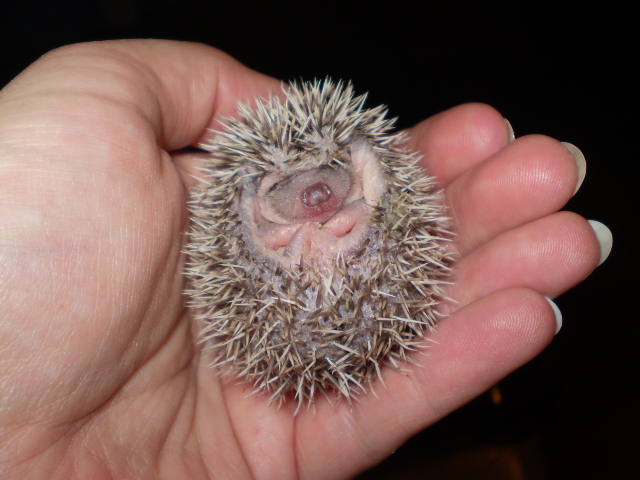
HOW TO CARE FOR YOUR PET HEDGEHOG

Hedgehogs are becoming more and more popular as pets, but there are very few owners who truly understand these wonderful little creatures and know how to properly provide them with the best care. Their needs are few and simple, but meeting them is vital to the well-being of your pet


HOUSING


Their housing as a pet need not be complicated, but it should be sufficient for their comfort. The cage you choose should be a minimum of approximately 24L x 16W x 12H inches. There are cages available with ramps and shelves for climbing; these are wonderful, as hedgehogs love to climb. Don’t use a fish tank. The air can become too humid, and will not circulate enough, making conditions very uncomfortable inside. A wire cage allows for better air quality and therefore better health for your pet.


Hedgehogs are solitary animals. You should never house more than one hedgehog in a cage, as they do not get along and will fight. The only time they come together is for breeding, and they separate immediately afterwards. They don’t want or need company, so don’t feel guilty for keeping only one hedgehog. They like it that way.


Conditions in the cage should mimic their natural habitat as closely as possible. Hedgehogs sleep in small burrows, so their hide box should be just large enough for them to get inside and turn around in. It should be dark and enclosed, so the hedgie feels secure and safe. A half-log is an excellent choice. Plastic igloos are commonly used, but I feel they are too big to feel secure, and since they are transparent, they don’t keep it as dark inside as a hedgehog likes.


Hedgies don’t roam far, but they do like to roam. Since they will be spending their life in a limited amount of space, they need a way to get exercise. Most hedgehogs love a running wheel for their nightly workout. Get the biggest one you can find, at least 10-12 inches in diameter. Do yourself a favor and select a wheel that is made of wire mesh. Solid plastic wheels will get pooped and peed in, and the waste will end up all over the hedgie. That’s unpleasant for everyone! Avoid wheels with wire bars, as hedgehog feet are tiny, and can fall between the bars. This can result in serious injury to the animal.


Bedding can be Care Fresh, which is made of paper, or aspen bedding, recycled newspaper pellets, or wood pellets commonly available as horse stall bedding. We use a brand called Woody Pet, which costs about seven dollars for thirty pounds. Avoid pine and cedar chips, as these have been known to cause respiratory problems in small animals. Whatever you use, make sure you keep it clean. Bedding should be changed often, at least once or twice a week at minimum, or whenever it looks like it needs it. Hedgehogs normally do not have much of an odor, but they will if their cage is dirty.


Your hedgehog will probably enjoy playing with small, soft, easy-to-grip cat toys. He will drag them around the cage and into his hide box. Change his toys when they get too nasty.


The hedgehogs sold as pets are African Pygmy hedgehogs. They come from a warm place (Africa) and need to be kept from getting too cold. Optimum temperature for a hedgehog is about 70-75 degrees, but they will be fine as low as 68 degrees. Depending on the climate where you live, a hedgehog will probably be fine in the warmer months with no source of artificial heat, and the heat for your home should be sufficient in cooler temperatures. But if you keep the house cooler than that, like my husband does, you can provide an external heat source. I don’t recommend the use of heating pads for warmth. They can melt a plastic cage, and they can and have shorted out and burned animals, sometimes causing the death of the animal. A better option is a heat lamp. You can buy a reptile dome heat lamp from a pet store and spend lots and lots of money on it, or you can get the same type of reflector lamp, typically used for painting and home improvement, from a good hardware store for a few dollars. Use a 60-watt reptile nighttime bulb and clip the lamp over the cage, outside where it can’t be reached by an inquisitive nose. Or use a ceramic heat element, which has threads like a light bulb, but emits no light, just a nice soft warmth.


A note about “tubing” – If you have been researching hedgehogs online, you may have seen videos or comments made by hedgie owners showing their pets “playing” with toilet paper tubes. They stick their heads into the end of a tube and walk around with it stuck on there. People believe they enjoy this, but I don’t agree, and here’s why: In the wild, hedgehogs hunt for bugs inside of logs and little crevices. They stick their heads into these small spaces, eat some bugs, and pull their heads back out. When you give a hedgehog a toilet paper tube, he thinks it’s a log with maybe some tasty bugs inside. He sticks his head in the hole, finds no bugs, and tries to pull his head back out. But, he can’t. The tube is stuck on his head. Think about the last time you tried on a shirt that was a little too small. When you try to pull it off, it can stuck over your head. I know I start to panic a little when that happens. Well, a hedgehog is not equipped with the same gigantic brain that a human has, which can tell us not to freak out. He just knows this thing is over his head, and he can’t get it off. That must be terrifying to a tiny little guy! Tubing is cruel. Don’t do it.


FOOD AND NUTRITION


NEVER buy commercially packaged hedgehog food. It’s all garbage, and it’s not even nearly nutritionally adequate for his needs. Hedgies need a high-protein, lower-fat diet. I use and recommend ProPlan dry cat food, either the Weight Management or the Kitten formula. It’s over 40% protein, and made from high-quality ingredients, plus it contains calcium and vitamins. We swear by it. I'm convinced that our babies are bigger and healthier because of the quality of the diet we feed. If that’s not available, get the highest-protein brand you can find. You can also give him some wet cat food, a little cottage cheese once in a while – not much or often, because dairy is not digested properly and can lead to health problems – and some fresh fruits and vegetables. Some hedgies love fruits and veggies, others don't. Ours are baffled by them. Won't touch them, and that's OK. Hedgies are insectivores/scavengers in the wild, and only eat vegetable matter if they can't get anything else. Try him on several types - apples, bananas, carrots, radishes, berries, etc. - and see if he'll take them. If not, don't worry. Then, of course, there's bugs. Hedgehogs love bugs. Mealworms are always well-received. Our glutton of a male will wake up at midday to eat mealies. You can also give wax worms or crickets. They love hunting for bugs in their bedding, so sprinkle them around. There's nothing a hedgehog likes better than hunting down that last elusive mealworm in the corner of his cage! Don’t be squeamish, they’re good for your little friend. Once in a while, sprinkle a calcium supplement on their food. We use Repti-Cal, which can be found at any decent pet store.


You may decide to feed your pet a brand of food other than ProPlan. If you do, our advice is to slowly transition the baby from ProPlan to the new brand so that he doesn’t stop eating when given a strange food. We will give new owners a bag of ProPlan to get their baby started in his new home, then they can continue feeding that, or transition to a new food as they choose.


A full, fresh water bottle must be present at all times, as with any animal. They don’t drink much, but they do need to drink.


BEHAVIOR AND PLAY


Your new pet will be a little shy when you first bring him home. Put him in his new cage with some food and water, and leave him be for a day or two. Being a nocturnal animal, he’ll come out at night and play on his wheel, but you may not see a lot of him during the day. Let him settle in, and then you can start acclimating him to his new surroundings and his new playmate – you!


When you are ready to try handling your hedgie, rule #1 is always to be mindful of his relative size and delicacy, and rule #2 is to be mindful of his quills. Hedgehog Myth #1 Busted: They don’t “shoot” their quills. Neither do porcupines, but porcupines can use their quills as a weapon, releasing them after a blow to an enemy’s face. Hedgies don’t use their quills as weapons, only as a defense, and the quills don’t release. Their one and only means of protecting themselves is to roll into a ball with all those quills sticking out, making them extremely difficult to eat, in case you were thinking of trying. You have to give your pet time to get to know you, and he will become very tame and friendly, but you need to know the proper way to handle him.


When you wish to pick up your hedgehog, he will undoubtedly be inside his hide box. Lift it off so you can get to him. He’ll be curled up in that spiny ball. Place your hands on either side of his body and nudge them gently towards his underneath. He’ll puff and hiss, making a sound sort of like a coffee percolator. That’s normal, it’s just him trying to be a tough guy. Once he realizes that you’re not trying to eat him, he’ll start to unball, at which point you can slip your hands underneath him to cup and lift him. Always support his belly and legs by cradling him in your hands or arm. He may still have his quills somewhat upright, and that’s OK. As he relaxes, they’ll go down smooth, and you can even stroke them – always towards the tail!


Hedgies are not nippy by nature. Once in a while, yours may decide that you smell good and give you a little taste, but don’t be afraid, and don’t think he’s somehow vicious. He’s not, he’s just curious, and he’ll let go once he realizes his mistake. NEVER “punish” your pet for nipping you! Reprimands mean nothing to him, and he will only become fearful of humans. He isn’t trying to hurt you, he just thinks you’re tasty!


While out playing with you, your pet may need to eliminate. It’s part of being a pet owner, dealing with messes. Their waste, while somewhat pungent, is smallish and relatively easy to clean up.


Hedgies spend most of their time sleeping, so don’t expect a pet that will play fetch. They like peace and quiet. They don’t mind being handled, and can be extremely affectionate, but respect your pet’s nature and don’t treat him like a cat or a dog. They also don’t see well, so don’t leave him unattended. He could fall and hurt himself, or wander somewhere dangerous.


A note about those plastic balls you put helpless animals in and make them roll around: Don’t. Just don’t. Those things are torture chambers. The animal is trying to get out, but he can’t. He’s trapped inside a ball, and he’s running as fast as his little legs will run, but he can’t get out. He’s not having fun. At all. He’s convinced he’s going to be trapped in there forever. Again, the tiny brain, with little comprehension of the weird things humans find amusing. Please don’t use those balls.


A note about self-anointing: Many hedgehog owners who have never seen or heard of a hedgehog anointing himself will panic and think their beloved pet has rabies the first time they see him do it. Relax. When you see your pet make a whole lot of white saliva and spread it all over his quills, he’s not sick. No one knows for sure why hedgies do this, but it’s suspected that when they encounter something new – a food, a piece of furniture, a human – they will taste the new item and then spread its “essence” onto themselves. Perhaps for defense and concealment, perhaps for hunting, perhaps they’re just weird. In any case, he’s just getting to know you, and it’s perfectly OK for him to be doing this.


HYGIENE

You know you need to keep your hedgehog’s cage clean; now, how do you keep your hedgehog clean? You give him a bath. Some hedgehogs love the water, others not so much. But either way, you will need to keep his feet clean, and from time to time his quills and the rest of him might need a little attention. Use a soft toothbrush and a drop or two of baby shampoo. Fill your sink or a plastic tub in the sink with warm water, a couple of inches deep. You want the hedgehog to be able to keep his nose above water. Very quickly dampen him, then get the toothbrush with a little shampoo on it and gently brush the quills towards the tail, and then rinse with warm water. Go over each little foot, carefully lifting them and brushing around the toes to get rid of anything nasty that might be stuck in the nails. Wrap him in a towel and snuggle for a bit to make sure he’s nice and warm, then back he goes into a clean, fresh cage. Foot baths can be given as often as needed, full baths less often. Use your judgment, and your nose, to determine if your pet needs a bath.


A note about salmonella: Much has been made in the news lately about small animals and salmonella. This is not really news; most people already knew that small animals, reptiles, and birds can sometimes carry disease. This is not a good reason not to own pets. The actual risk of getting salmonella from a pet is small, and the pets featured in the news stories have all died of their condition shortly after making their owners sick. If your pet is healthy, and his stools are not runny, he’s probably fine. How do you prevent yourself and your family from getting sick? The answer is the same as it’s always been – Wash your hands after you handle any pet, and keep them out of your mouth. And teach your children to wash their hands after handling any pet, and keep them out of their mouths. I’ve known kids for whom that last part might have proven a bit of a challenge; kids like that shouldn’t have pets to begin with. But you have nothing to fear from a healthy pet.


GOLDEN YEARS

Healthy hedgehogs can live anywhere from four to six years on average. After about two and a half to three years, we recommend carefully inspecting their teeth on a regular basis. The teeth can become loose and/or weak, and this can affect their ability to eat. Monitor their weight and food intake, and if you notice any significant decrease, make sure they are given more soft food, which is easier to eat, rather than dry.


FURTHER READING

The best way to care for your new pet is by educating yourself as to his needs. There are many places to do this. The International Hedgehog Association has a great website (www.hedgehogclub.com) that’s full of information. There are books available, and many breeders have websites that will all help you to learn about these fascinating and quirky little animals. But beware - not all of the information you'll find  is correct. Use your judgement when taking any advice. If more than one breeder recommends a certain thing, then it's probably a safe bet, but anyone can put up a page and call themselves an expert, even if they know nothing. Read as much as you can about them, and always remember to love and respect them. You’ll be rewarded with years of enjoyment from your little friend.


We hope that you grow to love your hedgehog as much as we do ours. We are always available to answer questions and talk about any concerns you may have. You can contact us at trishak@hedgiemama.com, and we will respond within a day or so to help you.


If you appreciate the experience of owning a hedgehog, and if you’re happy with the quality of support you’re getting from your breeders, please tell your friends about us. There will be litters available several times a year, so we’ll always welcome new customers.


Best of luck to you and your new pet!


Trisha & Patrick Kiefer


Modify Website

© 2000 - 2012 powered by
www.doteasy.com